Sewage Backup Cleanup Cost in Atlanta and North Fulton, Georgia
Need help with your own home?
Tell us your concern. We'll check local contractor availability.
No referral fee · No obligation to hire
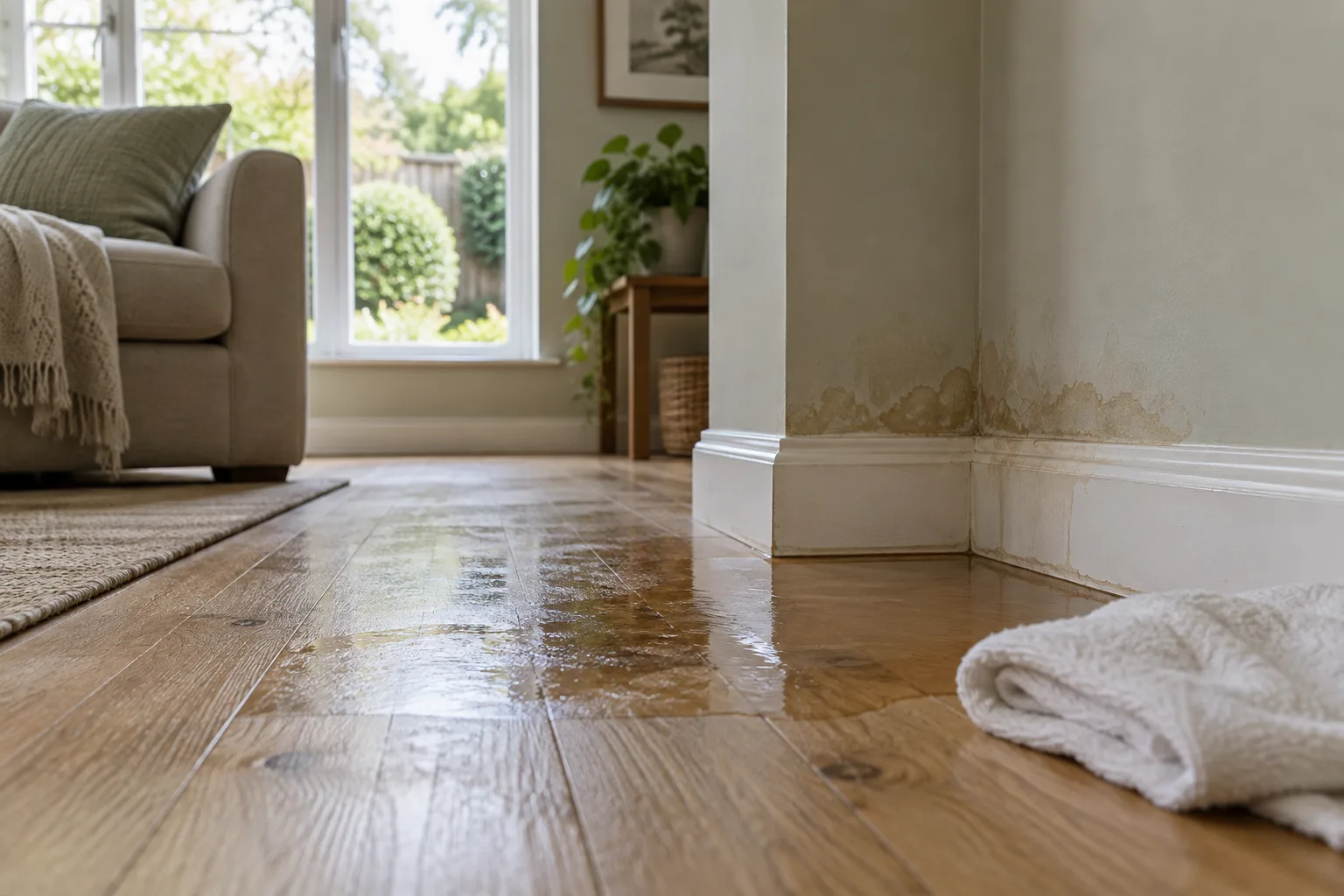
How much does sewage backup cleanup cost in Atlanta?
Sewage backup cleanup in the Atlanta area typically runs $2,000 to $10,000 as a labeled estimate, depending on how much black water spread, what materials it touched, and how long it sat. Actual pricing requires an on-site inspection, and the inspection fees and written-estimate terms from any available local contractor are confirmed directly.
That $2,000 to $10,000 figure is a typical range for the Atlanta market, not a quote, and the spread is wide for a reason. A toilet overflow contained to one bathroom in a Dunwoody ranch sits at the opposite end of the scale from a finished basement in Sandy Springs that took on several inches of raw sewage overnight. Square footage, contamination depth, and the materials involved all move the number, which is why a contractor confirms pricing only after walking the loss in person.
A professional sewage job is more than pumping out water. The typical scope includes extracting the sewage, removing and legally disposing of contaminated carpet, drywall, insulation, and subfloor, cleaning and applying antimicrobial treatment to everything that stays, then running structural drying with air movers and dehumidification until a moisture meter confirms the structure is dry. If walls and flooring need to be rebuilt afterward, that repair phase is a separate line item that can push a large loss into full-restoration territory, typically $3,000 to $30,000 or more as a labeled estimate.
Never accept a firm price over the phone for Category 3 work, in either direction. Hidden contamination under flooring or inside wall cavities is common, and a number quoted sight-unseen tends to grow. The on-site inspection fees and written-estimate terms are set by a contractor, so there is no cost to getting the real figure first.
Why does Category 3 black water cleanup cost more than clean water damage?
Category 3 black water carries raw sewage and pathogens, so cleanup requires full protective gear, removal and disposal of contaminated porous materials, hospital-grade disinfection, and antimicrobial treatment. Those extra labor, disposal, and material steps push typical estimates to $2,000 to $10,000, well above a comparable clean-water job.
The industry grades water losses in three categories, and the grade drives the budget. Category 1 is clean supply water, Category 2 is gray water with some contamination, and Category 3 is black water: sewage, toilet backflow, and rising storm water. Under the IICRC S500 standard a professional restorer follows, Category 3 changes the entire playbook. You can read the full breakdown in our guide to Category 1, 2, and 3 water damage.
With clean water, a contractor can often dry carpet, pad, and drywall in place. With black water, porous materials that absorbed sewage generally cannot be saved; they are cut out, bagged, and disposed of as contaminated waste, which adds demolition labor, disposal fees, and replacement material costs. Crews also work in full personal protective equipment, set up containment with negative air pressure, and run HEPA filtration so contaminated air does not migrate through the house. Every one of those steps is time and equipment a clean-water job does not need.
Disinfection is the other cost layer. After removal, every remaining surface in the affected area gets cleaned and treated with an antimicrobial, and many contractors verify the result before releasing the space. That verification-grade cleaning is exactly what you are paying for, because shortcuts with sewage become health problems later.
What does a sewer backup in a basement cost to clean up?
A sewer backup in a basement typically costs $2,000 to $10,000 to clean up as an Atlanta-market estimate. Unfinished basements with bare concrete land near the low end; finished basements with carpet, drywall, and stored contents trend toward the high end. An on-site inspection pins down the real number.
Basement backups are the classic North Fulton version of this loss. Metro Atlanta averages around 50 inches of rain a year, and during summer thunderstorm season a saturated municipal sewer can surcharge, sending sewage up through the lowest drain in the house, which is almost always a basement floor drain, shower, or toilet. Homes in Sandy Springs, Brookhaven, and Roswell near the Chattahoochee River corridor, and older neighborhoods along GA-400, see this pattern every storm season.
An unfinished basement with sealed concrete and little storage is the best case: extraction, disinfection, antimicrobial treatment, and drying, often near the lower end of the range. A finished basement is a different project. Sewage wicks into carpet, pad, baseboards, and the bottom of the drywall, and anything stored on the floor is usually a loss. Cutting out contaminated material, treating the framing, and drying the space pushes estimates toward the upper end of the $2,000 to $10,000 range.
Speed matters more with sewage than with any other water loss, because contamination spreads and soaks deeper by the hour. Contractors in this field commonly offer emergency response (availability varies; confirm directly with a contractor) across North Fulton, and a fast start is the single best way to keep a basement backup at the low end of the estimate.
What factors push sewage cleanup costs toward the high end?
Volume of sewage, square footage affected, dwell time, and how many porous materials must be removed drive the price most. A small overflow caught quickly may stay near $2,000, while a basement that sat flooded for days can approach $10,000, both as labeled estimates confirmed only by an inspection.
When a contractor may inspect a sewage loss anywhere in Fulton County, a handful of variables explain almost all of the price movement. Knowing them helps you read a written estimate line by line instead of staring at one big number.
Every factor below is assessed during the on-site inspection, and the written estimate should itemize them so you can see exactly what is driving your figure before any work begins.
- Volume and spread: a few gallons from one toilet versus a whole-basement surcharge are different jobs entirely.
- Dwell time: sewage that sat for days soaks deeper into subfloor and framing and raises the demolition scope.
- Finished versus unfinished space: carpet, drywall, built-ins, and trim all add removal and replacement cost.
- Porous contents: upholstered furniture, mattresses, rugs, and cardboard storage usually must be disposed of.
- Access: sewage in a tight crawl space takes longer to remove and treat than an open basement slab.
- HVAC involvement: if contaminated water or air reached ductwork, cleaning that system adds scope.
Does homeowners insurance cover sewer backup cleanup in Georgia?
Usually not under a standard policy. Most Georgia homeowners policies exclude water that backs up through sewers or drains unless you bought a water backup endorsement, often called sewer backup coverage. Rising floodwater is excluded entirely and falls under separate NFIP flood insurance. Your insurer and policy language make the final call.
This is the detail that surprises North Fulton homeowners most. The standard policy logic of sudden and accidental coverage applies to things like a burst supply line, but water that backs up through a sewer or drain is typically carved out by its own exclusion. Insurers sell the coverage back as an endorsement, commonly titled water backup of sewers and drains, usually with its own coverage limit. If you own a home with a basement in Alpharetta, Johns Creek, or anywhere served by older sewer infrastructure, it is worth asking your agent whether you carry it and at what limit.
Two more wrinkles matter. First, the flood exclusion: if sewage came up because rising surface water overwhelmed the system, an insurer may treat the event as flood, which only separate NFIP flood insurance covers. Second, documentation: photograph everything before cleanup begins, keep samples of discarded materials when practical, and save the written estimate, because the adjuster will want a clear proof of loss. Our walkthrough of the Georgia water damage claim process covers the sequence step by step.
One disclaimer: this page is general information, not legal or insurance advice. Coverage decisions always rest with your insurer and the language of your specific policy, so read the endorsement and confirm limits with your agent.
Can a backwater valve stop expensive sewage backups before they start?
Yes, in many homes. A backwater valve installed on the main sewer line closes automatically when the municipal sewer surcharges during heavy Atlanta storms, blocking sewage from flowing back into your basement. Paired with a maintained sump pump, it is one of the most effective ways to avoid a five-figure cleanup.
A backwater valve is a one-way flap fitted into the sewer lateral between your house and the street. Wastewater flows out normally, but when the city main surcharges during a storm, the flap seats shut and the backup has nowhere to go but back toward the street. For basement homes in storm-prone parts of Sandy Springs, Roswell, and Dunwoody, a licensed plumber can usually retrofit one, and the installation cost is a small fraction of even the low end of a sewage cleanup estimate.
Pair it with the rest of the basement defense kit: a working sump pump with a battery backup for power outages, downspout extensions that move roof water away from the foundation, and an annual cameran inspection of the sewer lateral if your home has older clay pipe, which is common in pre-1980s North Fulton neighborhoods where tree roots invade joints. Our guide to preventing basement flooding in Atlanta covers the full checklist.
Prevention does not change what a cleanup costs once sewage is on the floor, but it changes whether you ever pay it. One blocked surcharge during a single July thunderstorm can return the cost of a valve many times over.
Is it safe to clean up a sewage backup yourself to save money?
No. Category 3 black water can carry E. coli, hepatitis A, and other pathogens, and disturbing it without proper protective equipment and containment risks serious illness. North Fulton Water Damage Pros is not a contractor; we may introduce you to an available local contractor trained for this work.
Sewage is the one water loss where do-it-yourself is a genuinely bad trade. Black water can carry bacteria like E. coli, viruses such as hepatitis A, and parasites, and the exposure routes are easy to trigger: splashes, aerosols from a shop vac, or simply tracking contamination into clean rooms. Households with children, older adults, or anyone immunocompromised should stay out of the affected area entirely until it has been professionally cleaned and disinfected.
The economics rarely work either. A homeowner without containment, negative air pressure, or commercial drying equipment usually removes the visible mess but leaves contaminated moisture inside wall cavities and subfloor, and the resulting microbial growth costs more to remediate later than the original professional sewage cleanup would have. Insurers can also question claims where contaminated materials were handled outside recognized standards like IICRC S500.
To be clear about who does what: North Fulton Water Damage Pros, operated by Stratum Relay LLC, is a disclosed marketing and referral service. We do not perform cleanup; we may introduce you to an available local restoration contractor, there is no fee to request the connection, and the on-site inspection fees and written-estimate terms are set by a contractor. Call (678) 944-8612 and if a suitable contractor is available, scheduling follows directly with that contractor.
Frequently asked questions
How long does sewage backup cleanup usually take?
Cleanup, drying and repairs may take different amounts of time depending on contamination, materials, access and extent. Ask a responding contractor whether an assessment, schedule and written proposal are offered and what they cost. This service does not guarantee a timeline or estimate.
Who pays if the backup came from the city sewer main instead of my line?
If a municipal main caused the surcharge, you may be able to file a damage claim with the responsible city or county utility, and your own insurer may pursue reimbursement from them after paying a covered claim. Document the event thoroughly and report it to the utility promptly. This is general information, not legal advice.
What has to be thrown away after a sewage backup?
Porous items that absorbed black water generally cannot be saved: carpet and pad, upholstered furniture, mattresses, rugs, cardboard, and contaminated drywall and insulation. Hard, non-porous items like concrete, tile, metal, and sealed wood can usually be cleaned and disinfected in place. A contractor inventories disposals so your insurance claim reflects them.
Can my family stay in the house during sewage cleanup?
Often yes, if the contamination is limited to one area and the crew isolates it with containment and negative air pressure. If sewage spread across main living areas or reached the HVAC system, staying elsewhere for a few days is safer, especially for children, older adults, and anyone with respiratory or immune conditions.
Does North Fulton Water Damage Pros charge anything for the referral or the estimate?
No. We are a disclosed referral service, not a contractor, and homeowners pay nothing for the connection; we may receive a referral fee if a contractor accepts an introduction. A contractor's on-site inspection fees and written-estimate terms are set by a contractor, and you are under no obligation to accept the estimate.
Will a sewage backup cause mold if it is not dried properly?
Yes. Mold can begin developing within 24 to 48 hours of water exposure, and sewage adds nutrients that feed growth inside damp drywall and subfloor. If growth takes hold, professional mold remediation under the IICRC S520 standard typically runs $1,500 to $6,000 as a separate labeled estimate, which is why thorough drying is non-negotiable.