Mold Remediation in Sandy Springs & North Fulton, GA
Take the next step for your home
Tell us your concern. We'll check local contractor availability.
No referral fee · No obligation to hire
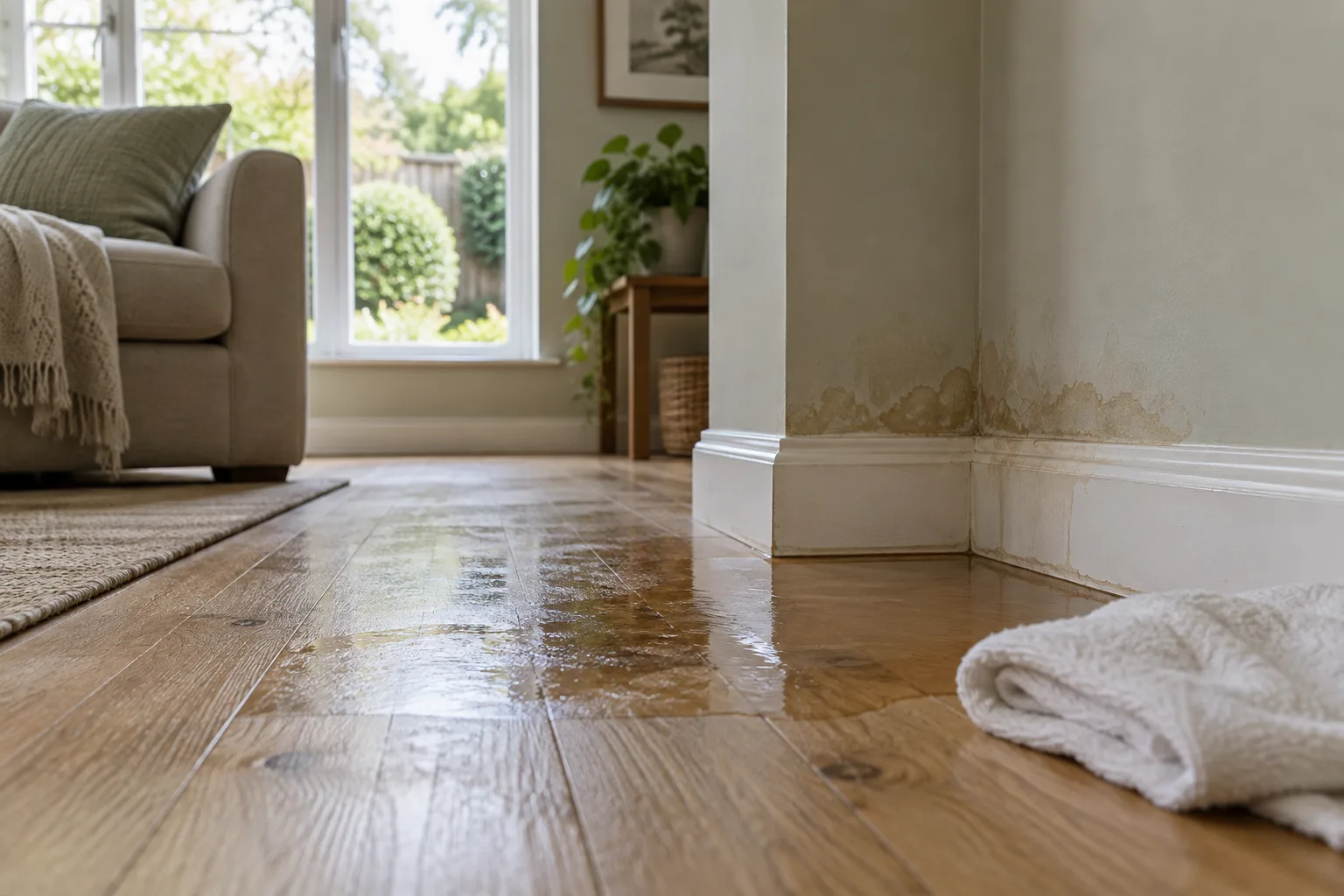
What does mold remediation cover, and how is it different from mold removal?
Mold remediation is the professional process of containing, treating, and safely removing mold while correcting the moisture that caused it. It goes beyond surface "removal" by addressing hidden growth and the underlying water source so mold does not simply return.
North Fulton Water Damage Pros is a disclosed marketing and referral service operated by Stratum Relay LLC, a Georgia company. We are not a contractor and do not perform any restoration work ourselves. Instead, we help homeowners request an introduction across Sandy Springs, Roswell, Dunwoody, and the rest of North Fulton with a local mold remediation contractor who may do the actual work. You pay nothing for the connection; we may receive a referral fee if a contractor accepts an introduction.
Mold remediation generally addresses contaminated materials and the moisture source rather than simply covering visible growth. Ask the provider how they evaluate the affected area, contain the work and decide what can be cleaned or must be removed, and whether standards such as IICRC S520 apply to their proposal. We do not verify or promise a provider's procedures.
If your mold problem started with a water loss, a contractor can also address the moisture itself. Lasting results usually require pairing remediation with structural drying and, where standing water remains, professional water extraction.
- Containment of the affected area to stop spores from spreading
- HEPA filtration and air scrubbing to capture airborne spores
- Antimicrobial treatment of salvageable surfaces
- Removal and disposal of contaminated porous materials like drywall and insulation
- Correction of the underlying moisture source so mold does not regrow
Why does mold follow water damage so quickly in humid Georgia?
Mold can begin developing within 24 to 48 hours of water exposure. Georgia's humid subtropical climate and roughly 50 inches of annual metro Atlanta rainfall keep indoor moisture high, so an untreated leak in North Fulton can turn into a mold problem within a couple of days.
Mold needs only moisture, an organic food source, and time. Building materials like drywall, wood framing, and subfloor are ideal food sources, and the Chattahoochee River corridor and humid Atlanta air supply plenty of ambient moisture. That combination is why a slow plumbing leak or a flooded basement in Brookhaven or Alpharetta can produce visible growth so fast.
Because the 24-to-48-hour window is so short, speed matters more than almost anything else. The faster standing water is removed and the structure is dried, the less chance mold has to establish. If you are still in the first hours after a loss, review what to do first after water damage while you wait to hear from a contractor.
Catching moisture early also protects your insurance position. Damage from a sudden and accidental event is more likely to be covered than a gradual leak that festered for weeks, so prompt documentation and drying help on more than one front.
What is the mold remediation process step by step?
Remediation may involve assessment, containment, removal or cleaning of affected materials, moisture correction and verification. The appropriate sequence and methods depend on the conditions. Ask the provider which standards apply and what their proposal includes; this referral service does not verify or promise a provider's procedures.
The process begins with assessment. A contractor may use moisture mapping, thermal imaging, and meters to locate hidden water and define the contaminated zone. From there, they build containment with sheeting and negative air pressure so spores are not pushed into clean parts of your home.
Next comes air filtration and treatment. HEPA filtration and air scrubbers capture airborne spores, while antimicrobial treatment is applied to surfaces that can be saved. Porous materials that cannot be cleaned, such as saturated drywall and insulation, are cut out and bagged for safe disposal.
Finally, the area is dried to a verified dry standard and the work is checked. Because remediation and drying go hand in hand, a contractor often performs structural drying in the same visit and can document everything for your water damage restoration claim.
- Inspection, moisture mapping, and thermal imaging to scope the problem
- Containment and negative air pressure to isolate the work area
- HEPA filtration and air scrubbing of the contained space
- Antimicrobial treatment of salvageable surfaces
- Removal of contaminated porous materials and final drying verification
Where does mold usually hide in North Fulton homes?
In North Fulton, mold most often hides in basements, crawlspaces, behind drywall, and beneath vapor barriers and flooring. These spaces stay dark, cool, and damp, so growth can spread well behind finished surfaces before you ever see or smell it.
Below-grade and enclosed spaces are the usual culprits. Finished and unfinished basements in Dunwoody and Johns Creek trap humidity, and crawlspaces with a compromised vapor barrier let ground moisture wick into framing and the subfloor. Mold there can advance quietly for weeks.
Inside living areas, mold frequently grows on the back of drywall, behind baseboards, under cabinets, and beneath carpet padding. A musty smell or slight discoloration is often the only visible clue, which is why a contractor may use meters and thermal imaging instead of guessing.
If you suspect hidden mold, the most reliable next step is a professional look. An water damage assessment lets a contractor identify where moisture is collecting before it becomes a larger remediation job.
How much does mold remediation cost in the Atlanta market?
As a labeled estimate for the Atlanta market, mold remediation typically ranges from $1,500 to $6,000. Your actual price depends on the size of the affected area, the materials involved, and how far the mold has spread, all confirmed during an on-site inspection.
That $1,500 to $6,000 figure is a typical range for the Atlanta market, not a quote. A small, contained patch behind one wall sits near the low end, while widespread growth across a basement or crawlspace, with significant material removal, moves toward the high end. The honest answer is that pricing depends on an on-site inspection.
The good news is that the inspection fees and written-estimate terms are set by a contractor, so you can learn the scope and likely cost before committing to anything. A contractor can also document the cause and extent of the damage, which matters when a mold problem is tied to a covered water loss.
Because mold is so often the downstream result of unaddressed water, it helps to understand the bigger picture too. Reviewing overall water damage restoration options can clarify how remediation fits alongside extraction and drying on a larger project.
How can I prevent mold after a water loss?
The single best way to prevent mold after a water loss is to dry the structure completely within the first day or two. Removing all standing water and driving moisture out of framing, subfloor, and drywall denies mold the dampness it needs to grow.
Prevention starts with thorough drying. Surface mopping is not enough because water hides in wall cavities, under flooring, and inside the subfloor. Professional structural drying uses air movers and dehumidifiers, guided by psychrometric readings, to bring materials back to a documented dry standard.
Controlling humidity afterward also matters in our climate. Keeping crawlspaces sealed with an intact vapor barrier, running dehumidification in basements, and fixing leaks promptly all reduce the conditions mold loves. In humid Fulton County, these habits make a real difference year-round.
When you do have a loss, acting fast is everything. Request an inspection to identify an available local contractor, and the sooner the structure is dried, the less likely you are to need mold remediation at all.
Frequently asked questions
Does North Fulton Water Damage Pros perform the mold remediation itself?
No. North Fulton Water Damage Pros is a disclosed referral service operated by Stratum Relay LLC. We may introduce you to an available local mold remediation contractor who may handle the work you approve to the IICRC S520 standard.
How fast does mold grow after water damage?
Mold can begin developing within 24 to 48 hours of water exposure. Because Georgia's humid climate accelerates growth, prompt water extraction and structural drying are the most effective ways to stop mold before it takes hold.
Can mold be hidden where I can't see it?
Yes. Mold often grows behind drywall, beneath vapor barriers, and in basements and crawlspaces before any visible signs appear. A contractor may use moisture mapping and thermal imaging to find hidden growth during an inspection.
How much does mold remediation cost?
As a labeled estimate for the Atlanta market, mold remediation typically runs $1,500 to $6,000. Actual pricing depends on the affected area and materials, and a contractor may offer an on-site assessment and written estimate; confirm whether it is offered, what it includes, and any fee directly.
Will my homeowners insurance cover mold remediation?
It depends on the cause. Mold tied to a sudden and accidental water loss is more likely to be covered than mold from a gradual leak. A contractor can document the cause and extent to support your claim.