Water Extraction in Sandy Springs, GA
Take the next step for your home
Tell us your concern. We'll check local contractor availability.
No referral fee · No obligation to hire
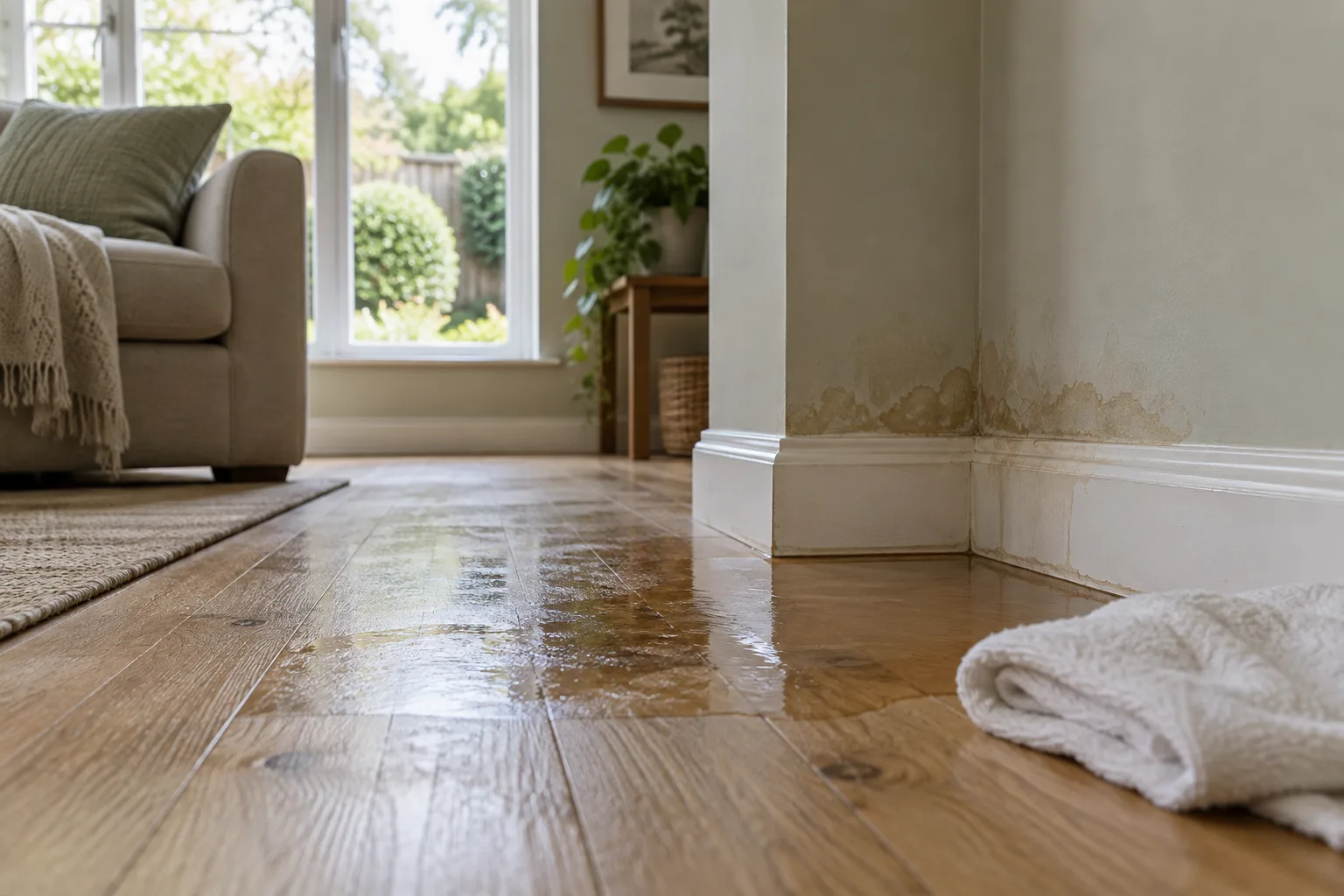
What is water extraction and how does standing-water removal work?
Water extraction removes standing water using equipment appropriate to the building and contamination. This referral service does not perform that work or dispatch equipment. If a contractor accepts an introduction, confirm their capabilities, assessment fees, scope and availability directly.
Water extraction is the urgent first physical step after a flood or major leak: getting the bulk of the standing water out before it migrates deeper into the structure. North Fulton Water Damage Pros, operated by Stratum Relay LLC, is a disclosed referral service and not a contractor. We may introduce you to an available local contractor who may perform the extraction.
Depending on the assessment, extraction may involve pumps or other removal equipment and measurements to investigate hidden moisture. Ask the provider which methods suit your building. The restoration overview describes related work without promising a particular contractor's scope.
Removing standing water does not establish that framing, flooring or walls are dry. Ask whether further structural drying or material removal is needed, how the decision will be supported, and whether it is separately priced.
What equipment does a contractor use to extract water?
Extraction equipment can include pumps, truck-mounted units and portable extractors, depending on access, water depth and contamination. Ask a provider to explain the selection, safe power arrangements and quoted scope. We do not verify or guarantee the equipment an introduced contractor carries.
Equipment depends on the volume, location and contamination of the water, building access and electrical safety. Ask an available provider what equipment and procedures they propose, how they assess drying needs, and what is included in their quoted scope.
- Truck-mounted extractors — high-capacity systems that pull large volumes of water out fast, ideal for whole-floor or basement flooding.
- Submersible pumps — dropped into deep standing water to clear flooded basements and crawlspaces where a sump pump has been overwhelmed.
- Portable extraction units — maneuverable tools for upper floors, hallways, and tight spaces where truck-mounted hoses cannot reach.
- Moisture meters and thermal imaging — used to confirm hidden water in the subfloor and behind drywall so nothing is missed before drying begins.
Why does speed matter so much with water extraction?
Speed matters because mold can begin to develop within 24 to 48 hours, and the longer water sits, the more it ruins the subfloor, drywall, and contents. Fast extraction by a contractor shrinks the damage, lowers the cost, and reduces the chance you'll later need mold remediation.
Water is relentless. Within the first 24 to 48 hours, standing water wicks into porous materials and creates the damp, humid conditions where mold thrives. Acting quickly is the single biggest factor in keeping a water loss manageable.
Every hour that water sits, it spreads further into the subfloor, swells drywall, and saturates insulation, turning a contained problem into a structural one. Prompt extraction by a contractor protects your home and your wallet.
If water is actively pooling, contact an available restoration provider or emergency service as appropriate first. Our emergency water damage help referral form only requests an introduction; it does not dispatch or guarantee a crew. If mold has already taken hold, confirm any remediation scope directly.
How is water extracted from flooded basements and crawlspaces in North Fulton?
Below-grade extraction may require pumps and equipment suited to restricted access, followed by a separate drying plan. Stay out of contaminated or electrically hazardous water. Confirm a provider's capabilities, proposed methods, fees and availability directly; this referral service does not guarantee that work.
Below-grade spaces are where North Fulton homes flood most. Heavy Atlanta-area rain saturates the soil, water finds foundation cracks, and an overwhelmed sump pump can't keep up, leaving basements in Sandy Springs, Roswell, and Dunwoody underwater.
Moisture can remain beneath a vapor barrier and in poorly ventilated areas. A provider may propose removal of standing water, changes to affected materials and equipment such as air movers or dehumidifiers. Ask how the proposal addresses the actual conditions and how completion will be checked.
Because these areas stay damp, a contractor may monitor psychrometric readings until the space is verified dry. To lower future risk, see our guide on how to prevent basement flooding in Atlanta.
How much does water extraction cost in the Atlanta area?
As a labeled estimate for the Atlanta market, water extraction typically ranges from $1,300 to $5,500, depending on the volume of water, the affected area, and accessibility. Actual pricing depends on an on-site inspection, and inspection fees and written-estimate terms are set by a contractor.
The price reflects how much water must be removed and how hard it is to reach. As a labeled estimate for the Atlanta market, water extraction usually falls in the $1,300–$5,500 range. This is a typical range, not a quote.
Your actual cost depends on factors a contractor can only assess in person, including the water category, the size of the flooded area, and whether crawlspaces or finished basements are involved. Extraction is often just the first phase, with drying billed separately under structural drying.
The on-site inspection and written-estimate terms are set by a contractor; confirm any fee directly. Request your water damage assessment and we review your request and may introduce you to an available local contractor.
What happens after the water is extracted?
After extraction, a contractor begins structural drying. Air movers and dehumidifiers pull remaining moisture out of framing, flooring, and walls, with psychrometric readings tracked until the home is verified dry. Drying is essential because extraction removes standing water but not the moisture absorbed into materials.
Extraction removes the water you can see, but materials like drywall, the subfloor, and framing hold absorbed moisture that pumps can't reach. Skipping the drying phase invites warping, swelling, and mold.
A drying plan may use air movers, dehumidification and moisture or environmental measurements. Ask what will be monitored, how often, and what completion criteria apply. See the structural drying guide for questions to discuss.
From there, that contractor may carry the project through cleaning, antimicrobial treatment, and any rebuild as part of full water damage restoration.
Frequently asked questions
Does North Fulton Water Damage Pros extract the water itself?
No. We are a disclosed referral service, not a contractor. We may introduce you to an available local contractor who may handle water extraction and related work.
How quickly can extraction begin?
Only an available provider can confirm when extraction can begin. For active water or safety hazards, contact an available restoration provider, utility or emergency service as appropriate rather than waiting for a referral. This form does not dispatch a crew or guarantee a response.
What does water extraction cost?
As a labeled estimate for the Atlanta market, water extraction typically ranges from $1,300 to $5,500. Actual pricing depends on an on-site inspection, and written-estimate terms are set by a contractor; confirm any fee directly.
Can a contractor extract water from a flooded crawlspace?
Yes. A contractor may use submersible pumps and portable units to clear flooded basements and crawlspaces in North Fulton, then dries the space with air movers and dehumidification to prevent mold.
Is drying included with extraction?
Extraction and structural drying are distinct phases and are usually priced separately. After standing water is removed, a contractor may dry framing and flooring with air movers and dehumidifiers until the home is verified dry.