How Long Does Water Damage Restoration Take?
Need help with your own home?
Tell us your concern. We'll check local contractor availability.
No referral fee · No obligation to hire
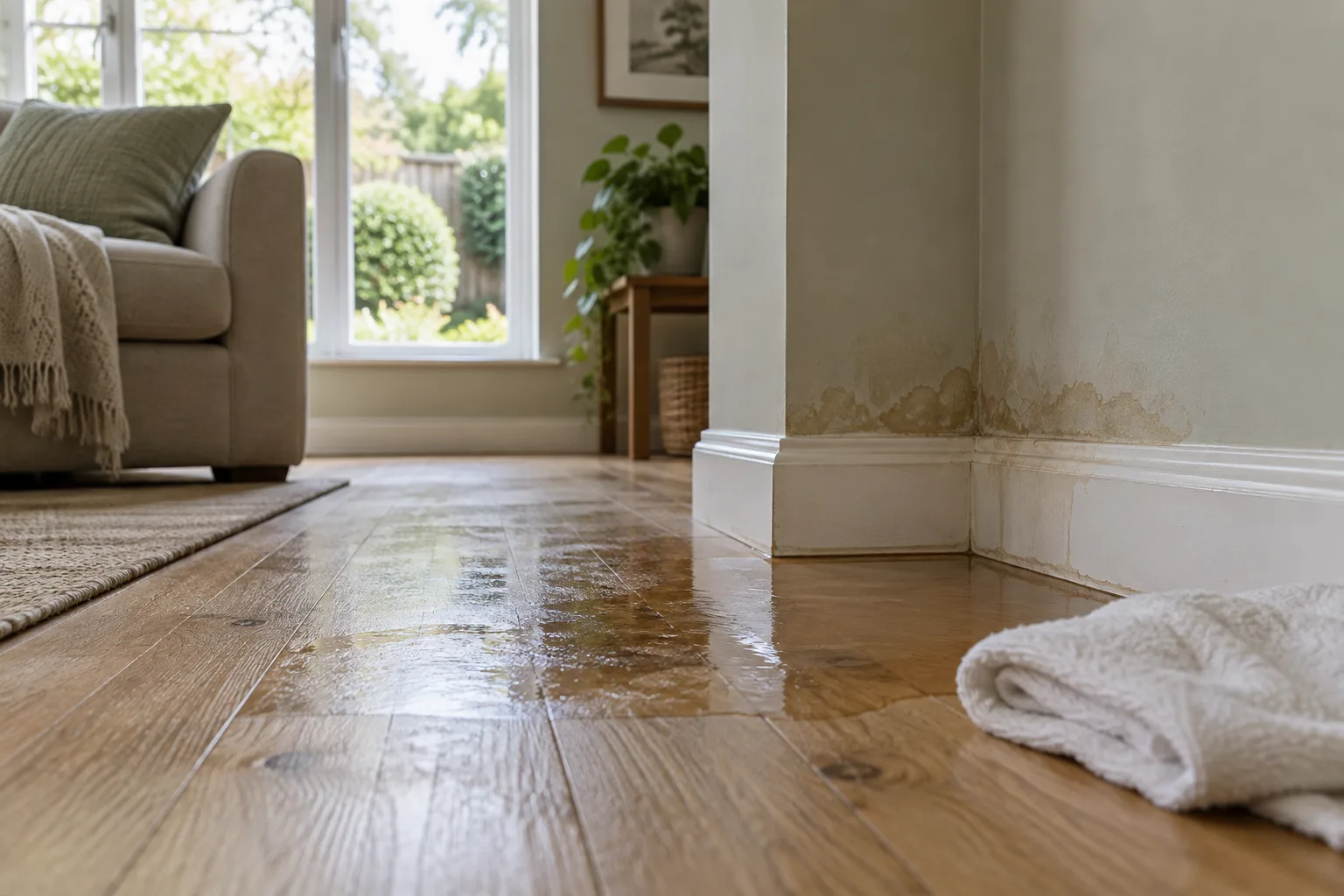
How long does water damage restoration take?
Most North Fulton water damage restoration projects take three days to two weeks from extraction to final drying, while jobs that need mold remediation or rebuild work can run several weeks. Water extraction takes hours, structural drying typically takes three to five days, and repairs add days to weeks depending on scope.
A useful way to think about the timeline is in four phases: emergency water extraction (a matter of hours), structural drying (typically about three to five days with daily monitoring), mold remediation if it is needed (a few extra days), and rebuild (days to weeks depending on scope). A small Category 1 leak caught quickly in a Dunwoody kitchen may wrap up in under a week, while a finished-basement flood in Roswell that soaked drywall, subfloor, and insulation can run three weeks or more.
North Fulton Water Damage Pros is a referral service, not a contractor—we do not perform the work ourselves. We help homeowners request an introduction across Sandy Springs, Roswell, Dunwoody, Alpharetta, Johns Creek, and Brookhaven. A local contractor may handle some phases and may use recognized drying guidance; confirm scope, methods, timing, and any fee directly.
Cost tends to track timeline. As a labeled estimate for the Atlanta market, a full restoration typically runs $3,000–$30,000+ depending on how many phases your project needs. Actual pricing always depends on an on-site inspection, and inspection fees and written-estimate terms are set by a contractor.
How long does water extraction take?
Standing water extraction is usually the fastest phase, often finished within two to eight hours for a typical Sandy Springs or Roswell home. Truck-mounted pumps and weighted extraction tools remove the bulk of the water quickly, but the home is far from dry — extraction ends the visible flooding, not the moisture inside materials.
Every hour standing water sits, it wicks deeper into drywall, baseboards, and subfloor, which is why fast extraction matters. Professional water extraction uses truck-mounted extractors, submersible pumps, and weighted wand tools to pull water out of carpet and off hard surfaces far faster than a shop vac ever could.
It is worth understanding that extraction and drying are separate clocks. Extraction removes liquid water in hours; the days that follow are about removing the moisture that materials have already absorbed. As a labeled estimate for the Atlanta market, extraction alone typically runs $1,300–$5,500 — and because actual pricing depends on an on-site inspection, the inspection and written-estimate terms are set by a contractor; confirm any fees directly.
How long does it take to dry out a house after water damage?
Structural drying typically takes three to five days with air movers and dehumidifiers running continuously, verified by daily moisture readings. Dense materials like hardwood and plaster, or a Class 3 or Class 4 evaporation load, can stretch drying to a week or more. Equipment stays until moisture meters confirm dry-standard targets.
Professional structural drying is a controlled, measured process, not a guess. On day one, a contractor maps the wet areas with a moisture meter and thermal imaging, then positions air movers and commercial dehumidifiers to push evaporation as fast as the materials allow. Under IICRC S500, losses are classed 1 through 4 by how much water the materials absorbed — a Class 1 spill on a concrete slab dries far faster than a Class 4 load soaked into hardwood, plaster, or masonry.
The daily monitoring visit is what makes the timeline trustworthy. Each day, readings are taken at the same mapped points and compared against dry-standard targets based on unaffected materials in your home. Equipment is repositioned as zones dry, and nothing is removed until the numbers — not the way a wall feels — say the structure is dry. For most North Fulton homes that means three to five days of continuous drying; saturated hardwood floors or a wet crawl space can take longer.
What can make water damage restoration take longer?
The biggest timeline extenders are the water category, hidden moisture, and insurance approval. Category 3 sewage requires removal of porous materials, hidden moisture in wall cavities or subfloors prolongs drying, and waiting on an adjuster before rebuild can add days or weeks. Mold discovered mid-project adds a remediation phase.
Category and class set the baseline. The split between emergency stabilization and repairs also matters for scheduling — mitigation versus restoration are often two phases with a pause between them, because mitigation starts immediately while rebuild usually waits for the insurer's sign-off on scope and price.
On the insurance side, mitigation generally proceeds right away since most policies expect homeowners to prevent further damage, but the rebuild estimate often sits with the adjuster for review of the claim documentation before repairs are authorized. This page is general information, not legal or insurance advice — coverage and approval timing are decisions that belong to your insurer and your specific policy.
- Water category: Category 3 black water from a sewage backup means porous materials like carpet pad and drywall get removed rather than dried, adding demolition and sanitizing days.
- Hidden moisture: water that wicked into wall cavities, under hardwood floors, or into a crawl space must be found with moisture mapping and thermal imaging, and dense materials dry slowly.
- Insurance approval: rebuild usually waits until the adjuster reviews the claim documentation and approves the estimate, which can add days or weeks to the calendar.
- Class of loss: a Class 4 drying load with saturated hardwood, plaster, or masonry needs specialty dehumidification and more time than a Class 1 spill.
- Mold discovery: growth behind baseboards or cabinets adds a containment and remediation phase before any rebuild can begin.
How long does mold remediation add to the timeline?
When mold is found, remediation usually adds two to five days, sometimes more for large or hidden colonies. The work involves containment, HEPA filtration, removal of contaminated drywall, antimicrobial treatment, and verification before rebuild can start. Because mold can begin developing within 24 to 48 hours, fast drying keeps this phase off most projects.
Mold is the timeline wild card. Because mold can start growing within 24 to 48 hours of water exposure, a loss that sat over a weekend — or a slow leak discovered late — often arrives with growth already underway behind baseboards, under cabinets, or inside wall cavities.
Remediation done to the IICRC S520 standard is deliberate by design: the affected area is sealed under containment with negative air pressure, air is scrubbed through HEPA filtration, contaminated drywall and insulation are removed, and surfaces get an antimicrobial treatment before the area is verified dry and clean. Those steps add days, but skipping them is how spores spread to rooms that were never wet — which turns a few extra days into a much larger project.
How long does the rebuild phase take?
Rebuild runs anywhere from a few days for patching drywall and repainting one room to several weeks for replacing flooring, cabinets, and trim across multiple rooms. The schedule depends on the scope of demolition, material lead times, and how quickly your insurer approves the repair estimate. Small repairs often finish within a week.
Rebuild is the most scope-dependent phase. Hanging and finishing new drywall in a single Alpharetta laundry room is a few days of work including paint drying time. Replacing a buckled hardwood floor in a Johns Creek living room, or rebuilding a finished basement in Brookhaven down to the studs, can take several weeks — especially when flooring, cabinets, or trim have to be ordered and matched.
Two outside forces stretch this phase more than the construction itself: material lead times and insurance authorization. Special-order flooring or cabinetry can take weeks to arrive, and many homeowners choose to pause after drying until the adjuster approves the full repair scope so they are not fronting costs. A clear written estimate after the inspection helps that approval move faster.
Why does rushing the drying process cause mold callbacks?
Pulling equipment early is the most common cause of mold callbacks. Materials can feel dry on the surface while wall cavities, subfloors, and insulation still hold moisture that mold needs to grow. Daily monitoring with moisture meters and thermal imaging, checked against dry-standard targets, protects you from a second, more expensive project.
Georgia's humid subtropical climate works against shortcuts. With metro Atlanta averaging around 50 inches of rain a year and summer thunderstorm season keeping outdoor humidity high, a home that is opened up and air-dried by feel will often re-absorb moisture overnight. That is why professionals dry inside a closed, dehumidified envelope and verify progress with instruments rather than touch.
A drying job that ends a day early can look perfect for weeks — until a musty smell, swollen baseboards, or spotting on the drywall shows up. At that point the fix is no longer drying; it is mold remediation plus demolition, which costs more and takes longer than the day that was saved. Insisting on documented daily moisture readings is the single best thing a homeowner can do for the schedule.
Because we are a referral service and not a contractor, our role is simple: we may introduce you to an available local contractor; confirm licensing, insurance, scope, and pricing directly with that contractor. There is no fee to request the connection. Start with a inspection — call (678) 944-8612 and you can request a moisture assessment, a written scope, and a realistic timeline for your specific home.
Frequently asked questions
Can I stay in my home during water damage restoration?
Often yes for smaller Category 1 losses, though air movers are loud and run around the clock. For Category 3 sewage losses, large drying setups, or mold remediation under containment, many families relocate for a few days. A contractor, if available, can advise during the inspection.
Do the air movers and dehumidifiers really need to run 24 hours a day?
Yes. Drying is a continuous process, and shutting equipment off overnight lets humidity rebound into walls and floors, which extends the total timeline and raises the mold risk. Expect three to five days of nonstop airflow on a typical drying job, with a brief daily visit to take readings.
Will waiting on my insurance company delay the restoration?
Usually not the emergency phase. Extraction and drying generally start right away because most policies expect you to prevent further damage, while the rebuild phase often waits for the adjuster to approve the repair estimate. This is general information, not insurance advice — your policy and insurer control coverage and timing.
Is it faster to dry out my house myself with box fans?
Rarely. Household fans move air but remove almost no moisture, and without commercial dehumidification and a moisture meter you cannot verify that wall cavities and subfloors are actually dry. DIY drying that misses hidden moisture is a common reason mold shows up weeks after a leak seemed handled.
How soon can new flooring be installed after water damage?
Only after moisture readings on the subfloor hit dry-standard targets, which usually means immediately after the drying phase ends. Installing new hardwood or laminate over a subfloor that is still damp traps moisture underneath, which can buckle the new floor or feed mold growth you will not see until it spreads.
Does Atlanta's humid weather make drying take longer?
It can. Georgia's humid subtropical climate and summer thunderstorm season keep outdoor air moist, so opening windows often adds humidity instead of removing it. Professional crews dry North Fulton homes in a closed system with commercial dehumidifiers, so the three to five day benchmark still holds — the equipment just matters more here.