Flood & Storm Damage Cleanup in Sandy Springs, GA
Take the next step for your home
Tell us your concern. We'll check local contractor availability.
No referral fee · No obligation to hire
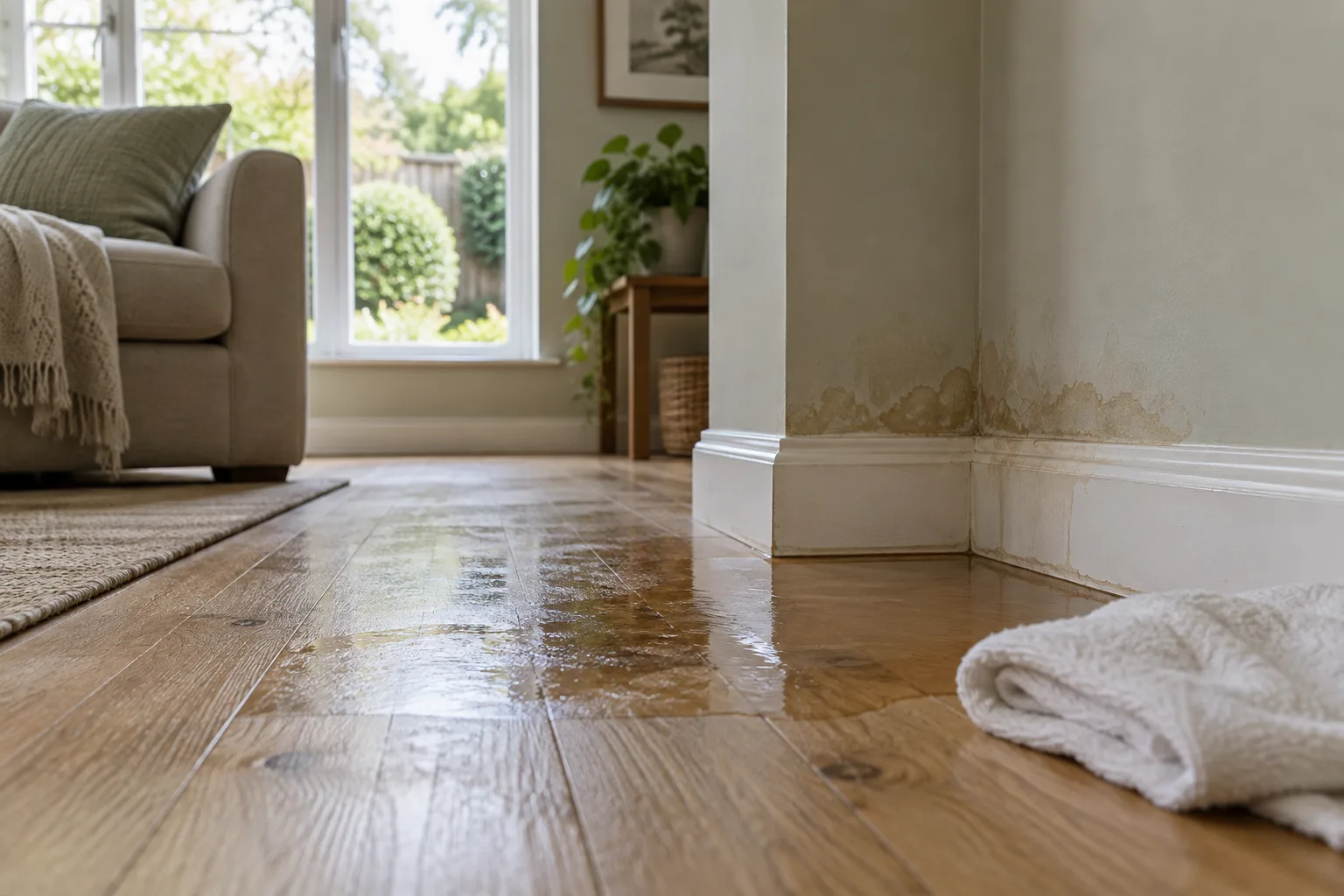
What does flood and storm damage cleanup cover?
Flood and storm cleanup covers removing flood water, muck, and debris, drying the structure, and treating contamination after severe weather. North Fulton Water Damage Pros does not do this work. We may introduce you to an available local contractor who may handle the full cleanup.
Flood and storm damage cleanup is the work of returning a weather-damaged home to a safe, dry, sanitary condition. That includes water extraction, muck-out, debris removal, drying, and decontamination. North Fulton Water Damage Pros, operated by Stratum Relay LLC, is a disclosed referral service and not a contractor.
Homeowners may request an introduction concerning a roof leak, flooded basement or other loss. We do not guarantee an introduction or a contractor's capacity for every part of the cleanup. Confirm the proposed work, credentials, relevant standards and fees directly.
Storm losses can involve standing water, contaminated black water and damaged contents. Stay out of hazardous flood water and contact an appropriately equipped, available provider or emergency service. A request through this site does not dispatch a crew.
What kinds of storm damage cause flooding in the Atlanta area?
Atlanta's storm season brings heavy thunderstorms, roof leaks, and flash flooding that overwhelm drainage. Wind-driven rain forces water through damaged roofs and windows, while saturated ground and rising creeks flood basements across North Fulton, leaving homes with both water intrusion and structural damage.
The Atlanta metro averages roughly 50 inches of rain per year, and much of it arrives in intense spring and summer storms. That volume overwhelms storm drains and creeks fast, producing the flash flooding that swamps low-lying neighborhoods in Sandy Springs, Dunwoody, and Brookhaven.
Wind and hail damage roofs, and once shingles or flashing fail, roof leaks let water pour into attics, ceilings, and wall cavities. Properties near the Chattahoochee River and other waterways in Fulton County face the added danger of rising surface water.
Saturated soil pushes groundwater through foundation cracks and overwhelms any sump pump, flooding finished basements. When storms hit after hours, you can still request our emergency water damage help referral.
Why is storm and flood water often Category 3 black water?
Flood and storm water is frequently Category 3 black water because it travels over ground, through sewers, and across contaminated surfaces, picking up bacteria, sewage, and chemicals. It is grossly unsanitary and unsafe to handle, so a contractor may use protective gear and strict containment under IICRC S500.
Under IICRC S500, the most contaminated grade is Category 3 (black water). Rising flood water and storm runoff usually qualify because they carry soil, debris, bacteria, and often sewage backup from overwhelmed municipal systems.
This is why storm flooding is genuinely dangerous to clean yourself. Contact with black water can cause illness, and contaminated materials like soaked carpet, padding, and lower drywall typically must be removed and discarded rather than dried in place.
A contractor may have equipment for hazardous work, using HEPA filtration, antimicrobial treatment, and proper disposal. If sewage is involved, that contractor may handle sewage cleanup, and any resulting mold remediation.
What does the muck-out and debris removal process involve?
Muck-out is the removal of flood-deposited mud, debris, and unsalvageable materials before drying can begin. A contractor may extract water, haul out ruined contents and contaminated building materials, clean and disinfect surfaces, and dry the structure with air movers and dehumidification.
Flood deposits and affected materials may need removal before cleaning and drying can proceed. This work can involve contamination and structural hazards. Confirm that an available provider is equipped for the actual conditions; an introduction from this site does not establish that capability.
A proposed scope may address standing water, damaged carpet, insulation, drywall or other materials, followed by cleaning and drying. Ask how disposal and contamination will be handled and what the proposal excludes.
- Water removal — standing flood water is extracted with truck-mounted and submersible equipment.
- Debris and contents handling — mud, silt, and ruined contents are removed and documented for your insurance claim.
- Demolition of unsalvageable materials — contaminated drywall, insulation, and flooring affected by black water are removed and discarded.
- Cleaning and drying — surfaces are sanitized, then dried with air movers and dehumidification until verified dry.
What's the difference between flood and storm damage, and what does insurance cover?
Storm damage from wind-driven rain or a burst pipe is often covered by homeowners insurance as sudden and accidental, but rising flood water is typically excluded and needs separate flood insurance. This is general information, not insurance advice, so always confirm with your own policy.
The distinction matters for your claim. Damage from a sudden and accidental event, such as wind tearing off shingles and letting rain in, is frequently covered by a standard homeowners policy. A contractor may document the loss to support your claim documentation.
Rising surface water, by contrast, usually falls under a flood exclusion and requires a separate flood policy. A slow gradual leak that festered over time is also commonly denied. Coverage hinges on the cause and timing, not just the visible damage.
Every policy differs, so review the specifics with your insurer and our Georgia guide on whether homeowners insurance covers water damage. This is general information, not insurance or legal advice.
How much does flood and storm cleanup cost, and are inspection fees set by a contractor?
As a labeled estimate for the Atlanta market, full restoration after a flood typically ranges from $3,000 to $30,000 or more, since storm losses often involve contamination and demolition. Actual pricing depends on an on-site inspection, and inspection fees and written-estimate terms are set by a contractor.
Storm and flood jobs vary enormously because they can involve hazardous black water, demolition, and rebuild. As a labeled estimate for the Atlanta market, full restoration commonly falls in the $3,000–$30,000+ range. This is a typical range, not a quote.
Your actual price depends on the extent of contamination, the affected square footage, and how much material must be removed and replaced, which only an on-site assessment can determine. The on-site inspection and written-estimate terms are set by a contractor; confirm any fee directly, and much of a covered storm loss may be paid by insurance.
When water is actively spreading or the loss is severe, contact an available restoration provider or emergency service as appropriate first. Our emergency water damage help referral form does not dispatch or guarantee a crew; use it only to request an introduction and confirm availability directly.
Frequently asked questions
Does North Fulton Water Damage Pros perform storm cleanup itself?
No. We are a disclosed referral service, not a contractor. We may introduce you to an available local contractor who may handle flood and storm damage cleanup.
Is flood water dangerous to clean up myself?
Often, yes. Storm and flood water is frequently Category 3 black water carrying bacteria and sewage. It is unsafe to handle without protective equipment, so a contractor may manage it under IICRC S500 standards.
Will homeowners insurance cover my storm or flood damage?
Sudden storm damage like a wind-driven roof leak is often covered, but rising flood water is typically excluded and needs separate flood insurance. This is general information, not insurance advice; confirm with your insurer.
What does flood cleanup cost?
As a labeled estimate for the Atlanta market, full restoration after a flood typically ranges from $3,000 to $30,000 or more. Actual pricing depends on an on-site inspection, and written-estimate terms are set by a contractor; confirm any fee directly.
How fast can a contractor respond after a storm?
Some contractors in this field offer emergency response at any hour, but availability varies and must be confirmed directly, and storm and flood damage should be addressed as soon as possible. Acting quickly limits how far water spreads and reduces the chance of mold.